Methodology
Sites are selected for buildable-land aggregation (5 or more contiguous acres of vacant land, parking, or low-value structures), transit-richness (TPA, TOC Tier 3+, or within 1/2 mile of Metro rail or BRT), real-world feasibility (public ownership, Opportunity Zone, entitlement activity), and resolvable through-traffic. The key finding: transit-rich, large, and available are anti-correlated in LA. Clean parcels often remain in public hands, Metro park-and-ride areas, or pre-LRT industrial zones.
Through-traffic
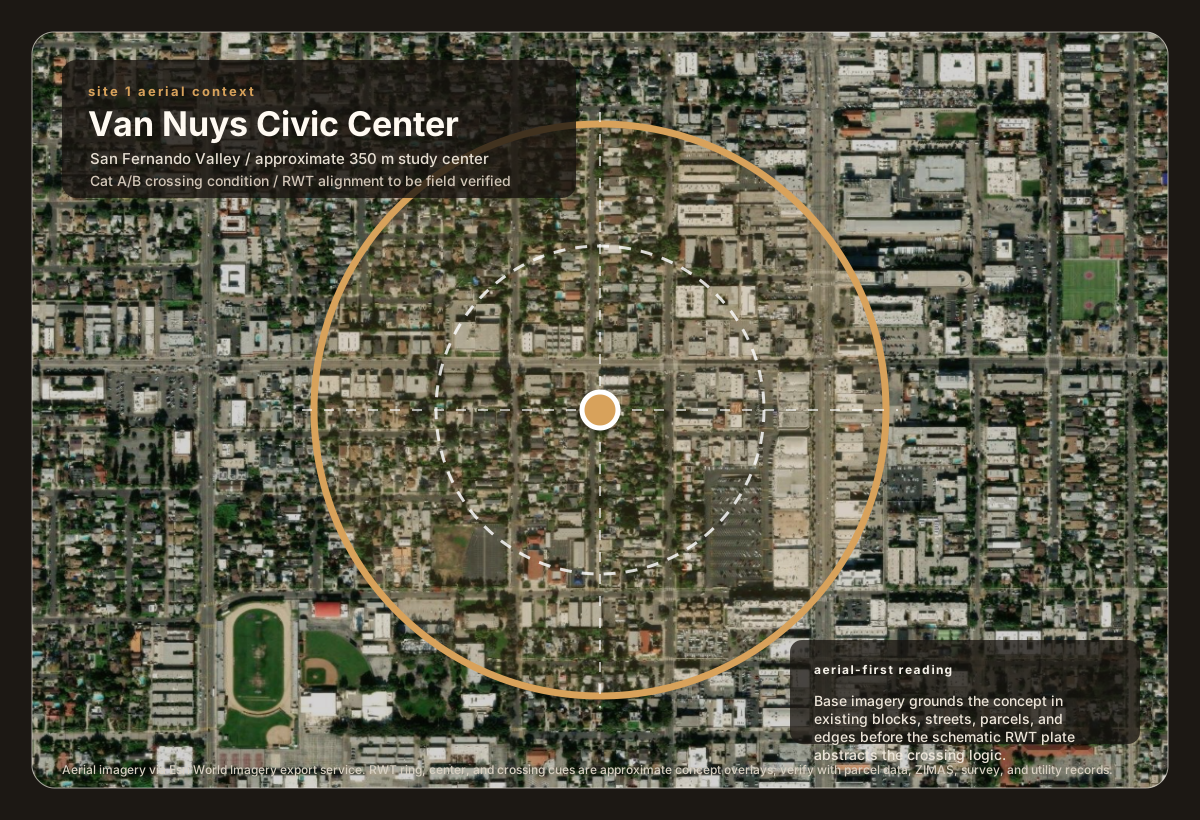
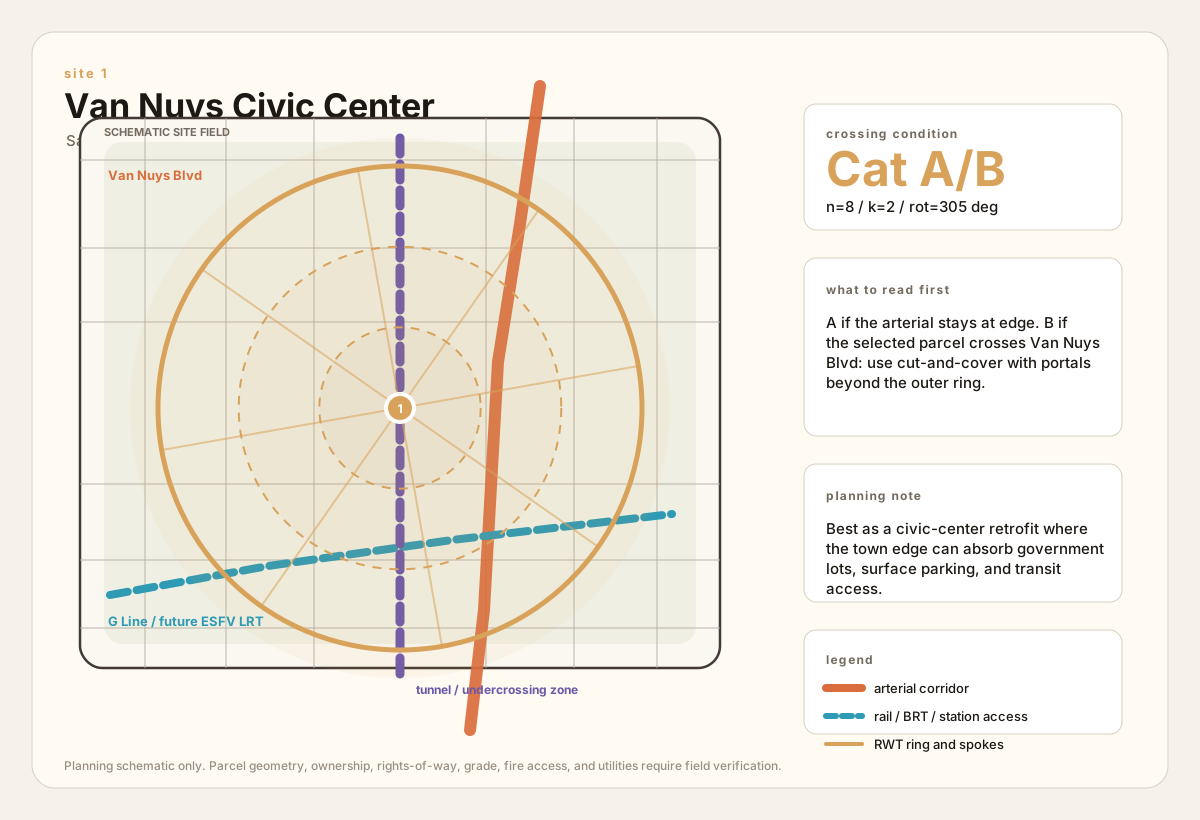
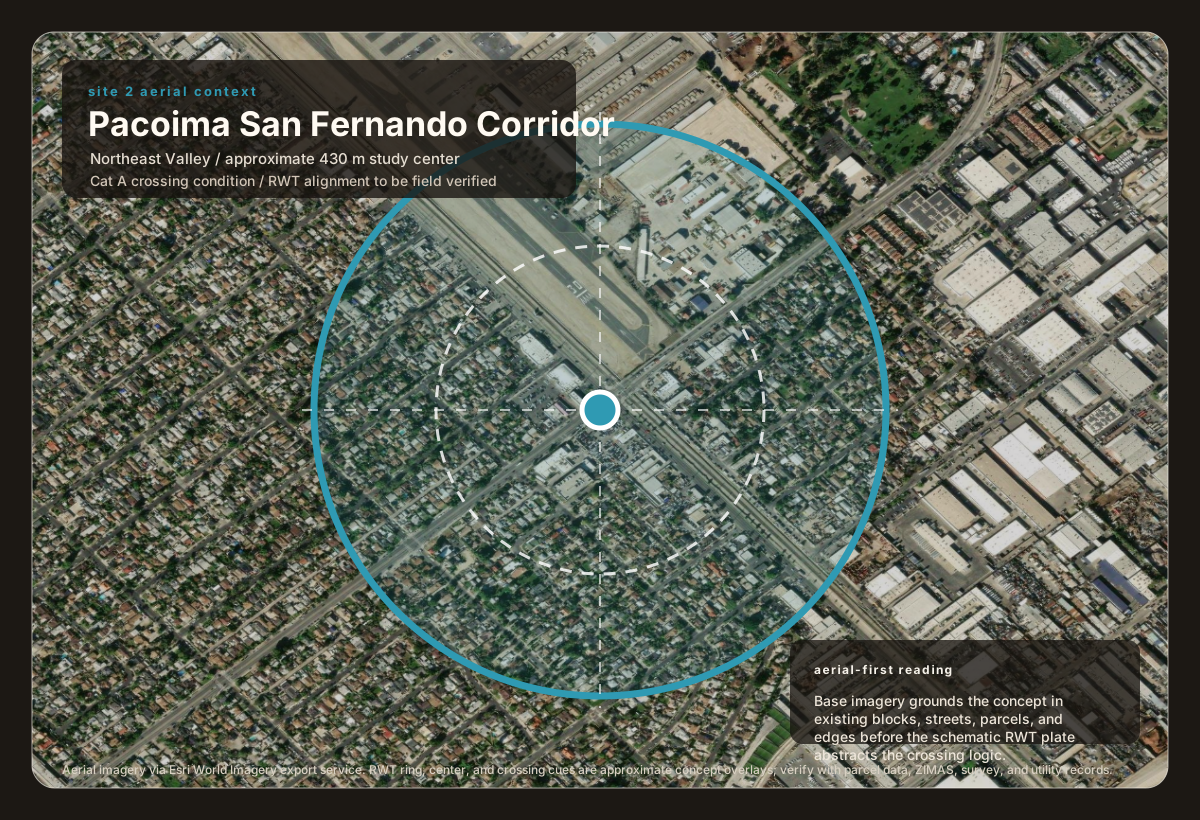
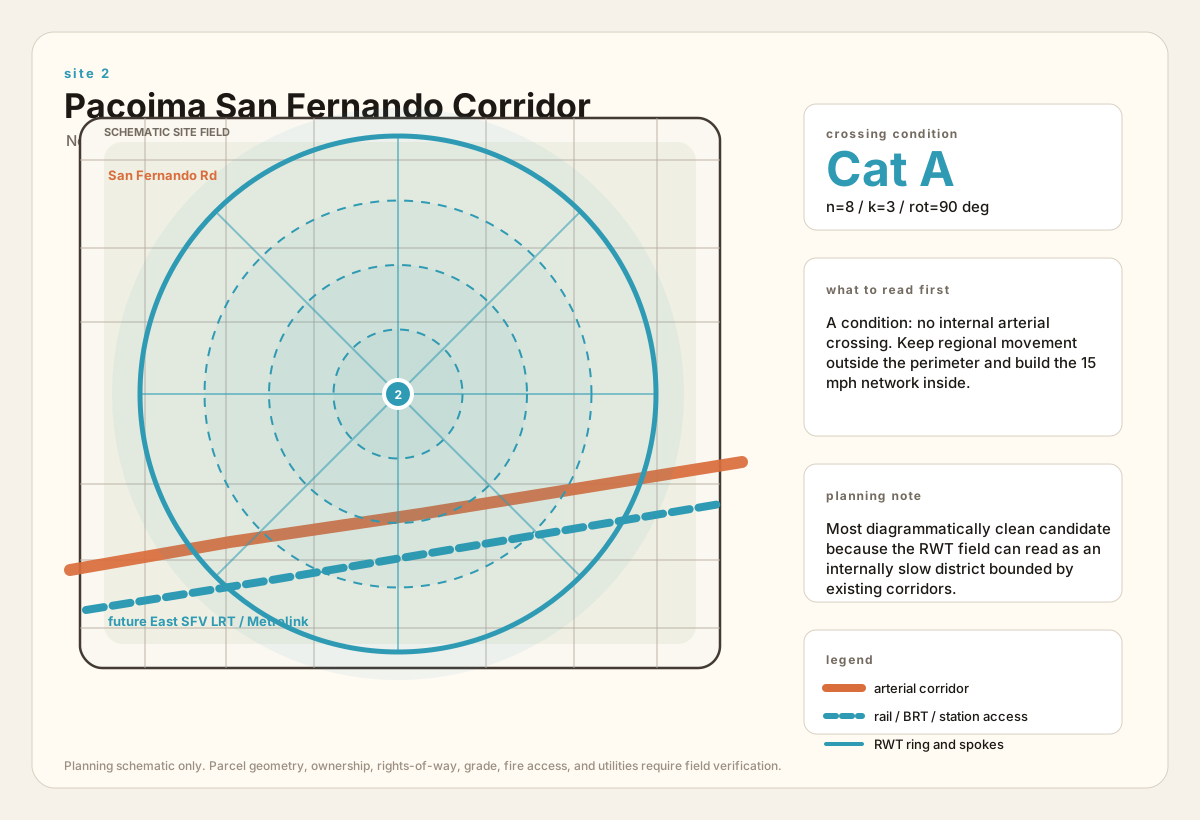
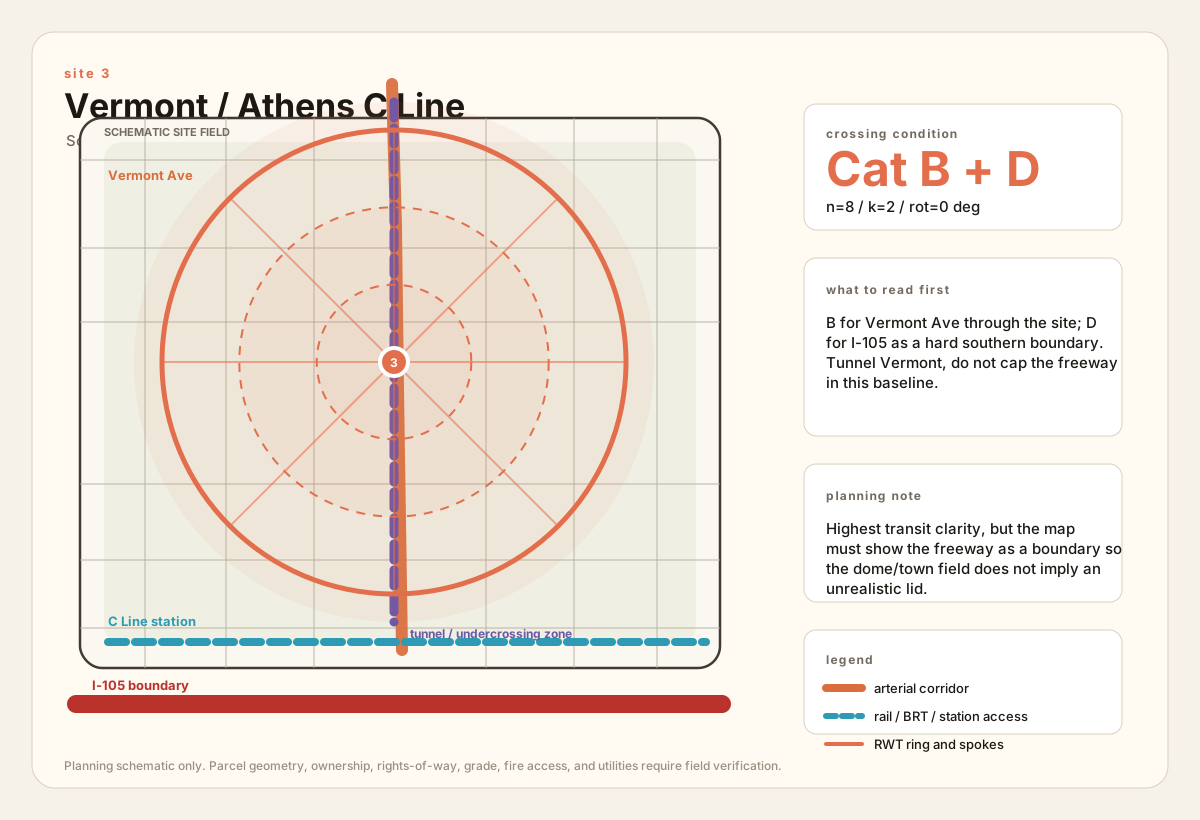
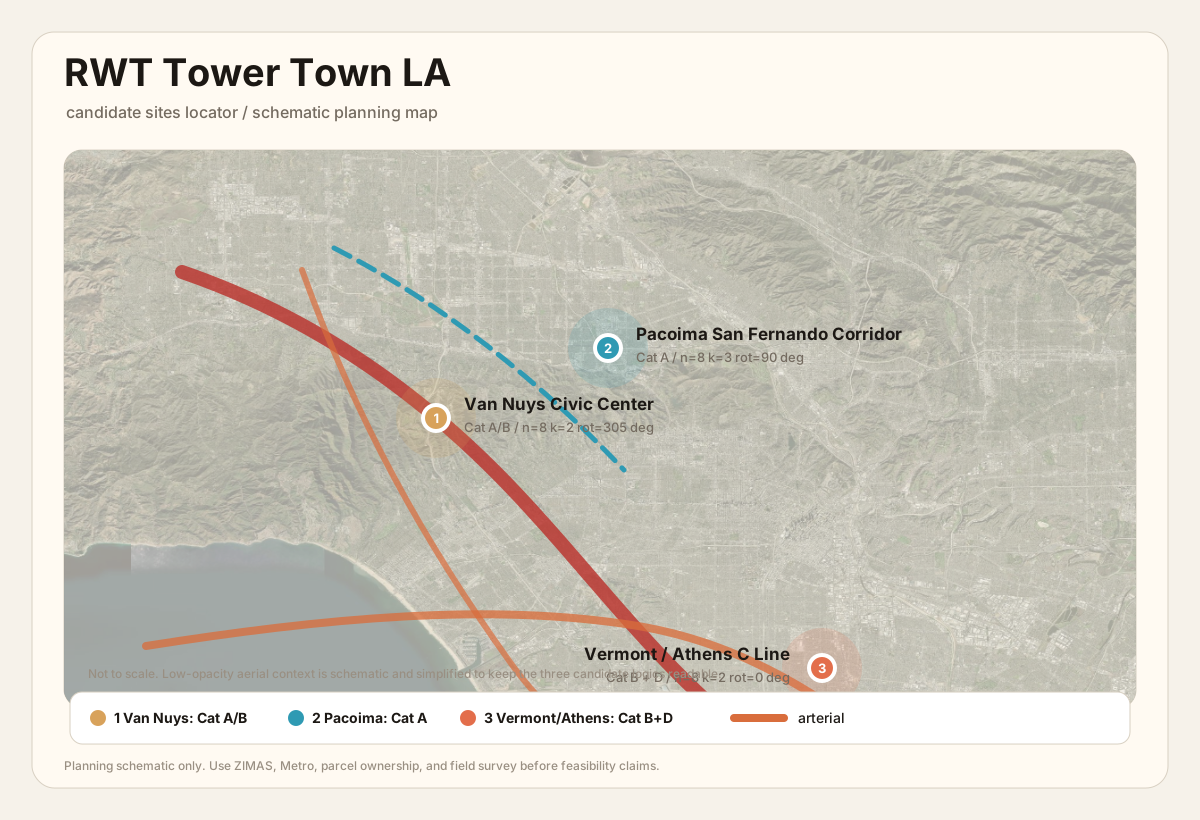
RWT tower towns cap internal vehicle speed at 15 mph. The first design decision at every site is the crossing condition: A = bounded only (arterials at perimeter, no tunneling needed); B = single arterial bisects (cut-and-cover tunnel, portals outside outer ring); C = intersection inside (stacked tunnel); D = freeway boundary (setback buffer, no cap); E = freeway crosses (lid cap). Van Nuys is cat A or B depending on parcel configuration; Pacoima is cat A; Vermont/Athens is cat B + D.
N/k/rot adaptation
N (radial divisions) matches the arterial-direction count times 4. Four boundary arterials at 90 degrees produce n=8. K (subdivision depth) scales with site acreage: 5-15 acres uses k=2; 15-50 acres uses k=2-3, giving totalReplications(8,2)=72 and totalReplications(8,3)=584 cells. Rot (angular orientation) aligns the primary diameter chord with the dominant corridor: Van Nuys Blvd at 305 degrees, San Fernando Rd at 90 degrees, Vermont Ave at 0 degrees.
Map reading
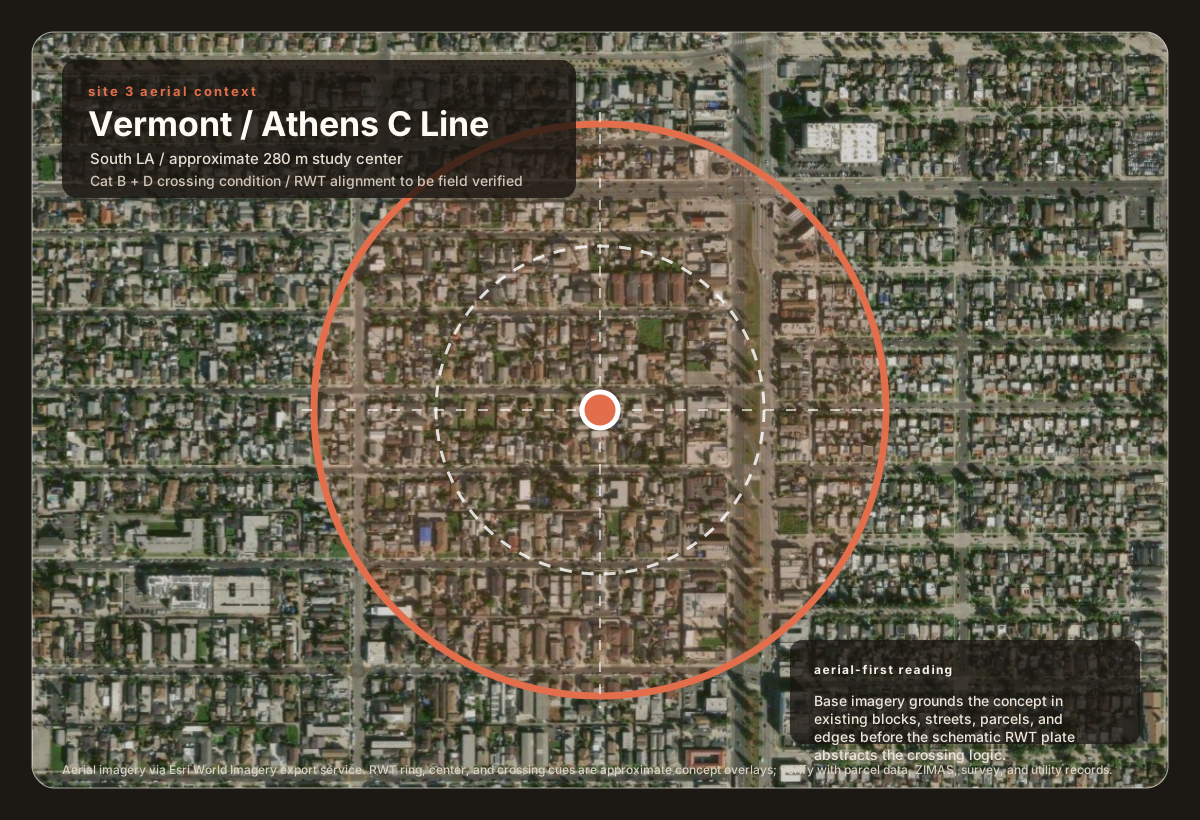
The updated maps are paired plates rather than raw road-network exports. Read them in order: first use the aerial context to understand current blocks, streets, edges, and open land; then use the schematic plate to distinguish arterial corridor, transit access, RWT rings, tunnel zone, and freeway boundary.